Nutrition Guide

Feeding Your Pets Right

Proper nutrition is the foundation of your pet's health and happiness. Our comprehensive guide helps you understand what your pet needs at every life stage.

Key Nutrition Principles

Balanced Diet

Ensure your pet receives the right mix of proteins, fats, carbohydrates, vitamins, and minerals for optimal health.
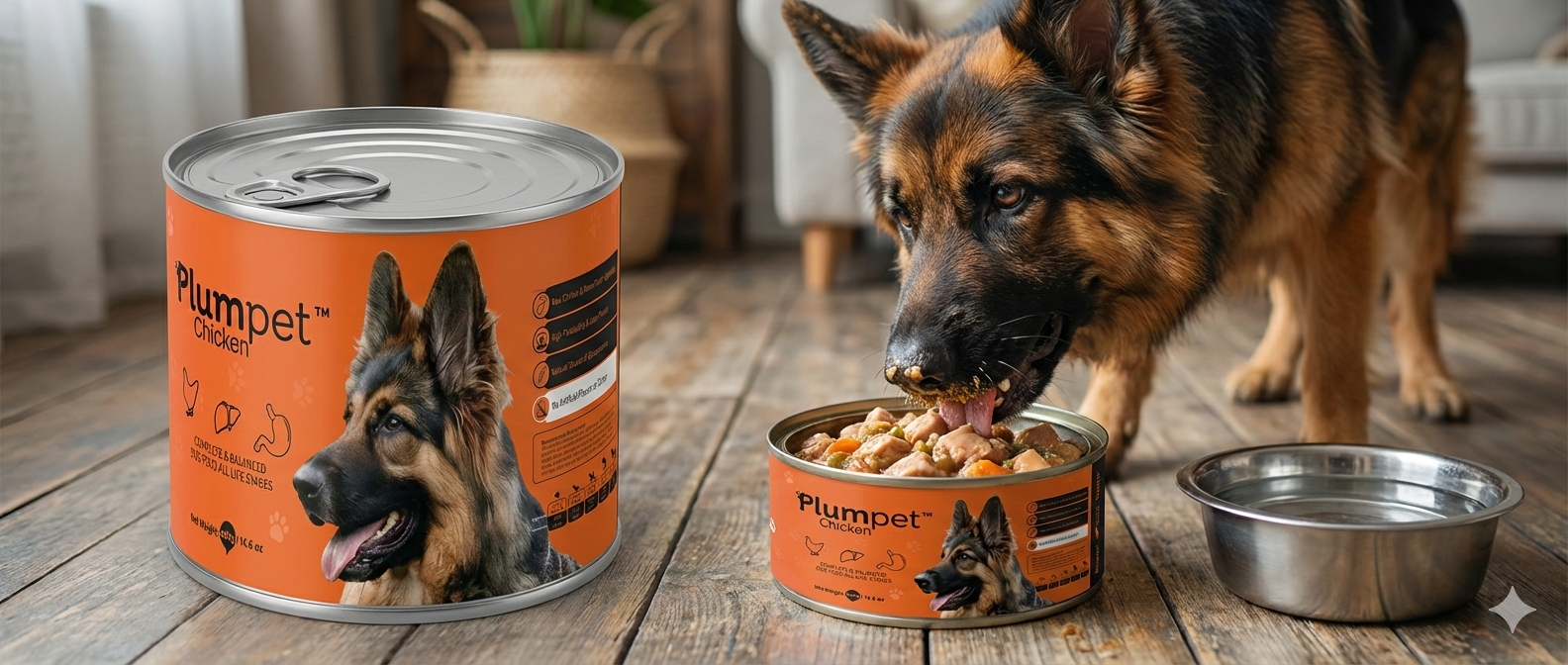
Life Stage Appropriate

Different life stages require different nutritional profiles—from puppy/kitten to adult and senior formulas.

Species-Specific

Each species has unique dietary needs. Dogs, cats, birds, and fish all require specialized nutrition.

Nutrition by Species

Dogs

Canine Nutrition Essentials

  • Protein: 18-25% for adults, higher for puppies and active dogs. Sources include chicken, beef, fish, and lamb.
  • Fats: 10-15% for optimal energy and coat health. Omega-3 and Omega-6 fatty acids are essential.
  • Carbohydrates: Provide energy through grains, vegetables, and fruits. Fiber aids digestion.
  • Feeding Schedule: Puppies need 3-4 meals daily; adults thrive on 1-2 meals per day.

Cats

Feline Nutrition Essentials

  • Protein: 26-30%+ as obligate carnivores. High-quality animal proteins are essential.
  • Taurine: Essential amino acid cats cannot synthesize. Crucial for heart and eye health.
  • Hydration: Cats naturally have low thirst drive. Wet food helps maintain proper hydration.
  • Feeding Schedule: Multiple small meals throughout the day mimics natural hunting behavior.

Birds

Avian Nutrition Essentials

  • Pelleted Diet: High-quality pellets should form 60-70% of diet, providing balanced nutrition.
  • Fresh Foods: Supplement with fresh vegetables, fruits, and occasional seeds for variety.
  • Calcium: Essential for bone health and egg production. Cuttlebone or mineral blocks help.
  • Avoid: Avocado, chocolate, caffeine, salt, and high-fat foods are toxic to birds.

Fish

Aquatic Nutrition Essentials

  • Species-Specific: Tropical, goldfish, and marine fish have different dietary requirements.
  • Feeding Amount: Feed only what fish can consume in 2-3 minutes to prevent water pollution.
  • Variety: Mix flakes, pellets, and frozen/live foods for optimal nutrition and enrichment.
  • Schedule: Most fish do well with 1-2 small feedings per day at consistent times.

Common Nutritional Concerns

Obesity Prevention

Overfeeding is a common issue. Measure portions, limit treats to 10% of daily calories, and ensure regular exercise.

Learn more about pet care →

Food Allergies

Signs include itching, digestive upset, and skin issues. Consult your vet for elimination diets if suspected.

Contact us for advice →

Transitioning Foods

Switch foods gradually over 7-10 days, mixing increasing amounts of new food with the old to avoid digestive upset.

Hydration Importance

Fresh, clean water should always be available. Dehydration can lead to serious health issues, especially in cats.

Need Personalized Nutrition Advice?

Our team can help you choose the right food for your pet's specific needs.